

Posted by Editorial Team on Nov 14, 2026
5 Ways to Stop Wheel Covers From Rattling Today
Last Updated: November 11, 2026
Quick Summary
Wheel covers rattling usually comes from loose seating, worn or broken retaining clips, or a cover that was never fully pressed onto the wheel. Remove the cover, inspect the clips for cracks or bends, then reseat it evenly around the wheel by hand. If the noise persists, check for damage before adding padding.
- Park on level ground with the parking brake set before working on any wheel.
- Check each clip for cracks, missing pieces or bends, and replace any that are broken.
- Reseat the cover by pressing evenly with your palm, starting at the valve stem and working around.
- Place small foam pieces only where the cover contacts the wheel, keeping them clear of clips and the valve stem.
- Never drive with a cover hanging loose, since it can fly off at speed.
Table of Contents
- Why Wheel Covers Rattle and What Usually Causes It
- Safety Checks Before You Touch the Wheel
- Diagnose the Noise: Rattle, Click, or Squeak
- How to Check Wheel Cover Fitment on Your Vehicle
- Inspect the Wheel Cover Clips and Retention Rings
- Remove, Reseat, and Tighten the Cover
- Add Foam Padding or Weather Stripping to Stop the Movement
- How to Stop Wheel Covers From Rattling While Driving
- When to Repair, Replace, or Stop Using a Cover
- Verifying the Fix and Booking a Replacement Cover at WheelCovers.Com
- Frequently Asked Questions
Why Wheel Covers Rattle and What Usually Causes It
Wheel covers rattling usually has a few simple causes. The cover sits on the wheel with clips or retaining points, and over time those points loosen, wear down or fail. Once the cover can move even slightly, road vibration sets it chattering against the wheel.
The most common causes are loose seating, worn or broken retaining clips, and a cover that was never fully pressed onto the wheel. Some owners also notice noise after a tire change, when the cover was removed and not reseated properly.
Knowing the cause makes the fix faster. Most rattles can be stopped without buying anything new.
Safety Checks Before You Touch the Wheel
Park on a flat, level surface and set the parking brake before you work on any wheel. Let the wheel cool if you have just driven, since brakes get hot.
Never drive with a cover that is hanging loose or partly off. A loose cover can fly off at speed and hit another vehicle or a pedestrian. If the cover is loose enough to move by hand, fix it before you drive again.
Check that the lug nuts are tight before and after any work. A loose wheel is a much bigger problem than a rattling cover.
Diagnose the Noise: Rattle, Click, or Squeak
Before you touch the cover, decide whether the noise is coming from the cover at all. Many wheel-area noises sound similar at highway speed, and a cosmetic fix will do nothing if the real source is a brake pad, a loose wheel bearing, or a worn suspension joint. Working through the sequence below in order will save time and keep you from missing a safety problem.
Start by noting the conditions. Write down whether the noise happens at a steady speed, only over bumps, only when you brake, or only when you turn. Each pattern points somewhere different. A rattle that changes with road speed and gets louder over bumps usually points to a loose or moving cover. A noise that appears only under braking points to the brake pads, rotors, or caliper hardware. A noise that changes when you steer or load the car in a corner can point to a wheel bearing or a suspension component.
Next, separate the sound types. A rattle is a loose, metallic buzz that tracks road texture. A click that repeats once per wheel revolution often means a stone, grit, or debris is caught between the cover and the wheel face, so the cover should come off before anything else is done. A squeak usually comes from dry or rubbing contact points, and it often gets louder as the cover heats up. A grinding or growling sound that rises with speed and does not go away when you ease off the throttle should be treated as a bearing or brake problem until proven otherwise.
To test in a controlled way, drive slowly on a smooth, quiet road with the window partly down. Note the speed where the noise starts. Then repeat the drive over a single known bump and listen for whether the sound spikes once per impact. Finally, brake gently from a moderate speed and listen again. If the noise appears only under braking, stop the cover diagnosis and move to the brakes.
Watch out: a noise that changes when you turn or that comes with a pull, vibration, or wheel wobble can indicate a loose lug nut or a wheel bearing, and that is a reason to stop driving and have the car checked promptly rather than continuing to test the cover.
How to Check Wheel Cover Fitment on Your Vehicle
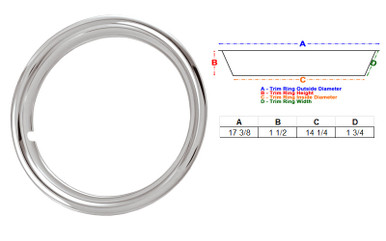
A cover that does not match your wheel will never sit tight. Check the wheel size first, usually printed on the tire sidewall or the driver's door jamb sticker. Then compare the cover's listed size and the wheel's bolt pattern.
Look at the wheel type too. Trim rings and many covers are made for specific wheel types, so check the listing before you buy.
If a cover feels loose on the wheel even when pressed on fully, it may be the wrong size or style for your vehicle. Measure the wheel and confirm the match before you spend time on other fixes.
Inspect the Wheel Cover Clips and Retention Rings
Remove the cover and look at the back. Most rattles come from broken or bent clips. Check each clip for cracks, missing pieces or bends. Check the inner ring where the cover grips the wheel as well.
Look for signs of wear: shiny spots, scraping marks or metal fatigue. A bent clip will not hold the cover tightly, so bend it back carefully or replace it. If a clip is cracked or missing, the cover will keep moving.
Retaining rings should sit flat and even around the wheel. Any gap or uneven spot means the cover is not seated correctly.
Remove, Reseat, and Tighten the Cover
Once you have checked the clips, take the cover off and reseat it. Line the cover up with the valve stem and press it evenly around the wheel. Start at one point and work around the circle until the whole edge is snapped into place.
Use the palm of your hand, not a hammer. Firm, even pressure works best. Tap gently around the edge if one section will not click into place.
After reseating, drive a short distance and listen again. If the rattle is gone, the cover was simply loose. If the noise remains, go back to the clip inspection and check for damage.
Add Foam Padding or Weather Stripping to Stop the Movement
A soft barrier between the cover and the wheel can stop a rattle caused by small amounts of movement, but only if the material is chosen and placed carefully. The goal is to take up the gap that lets the cover chatter, not to force the cover tight against the wheel or to block the clips from doing their job.
Test the fit before you peel any backing, because a cover that will not click into place with padding in place may have material that is too thick.
Placement matters more than quantity. Put small pieces only where the cover actually contacts the wheel or where you have seen wear marks, usually at the inner lip or near the clip points. Keep material away from the clips themselves, away from the valve stem opening, and away from any part that moves or spins. Padding that sits on a clip can stop it from gripping, and padding that sits near the valve stem can rub the stem or interfere with the air fitting.
Apply any padding you use to a clean, dry surface and let the adhesive set for the time the product packaging lists before reseating the cover. Reinstall the cover, check that every clip is fully engaged, and spin the wheel by hand to confirm there is no rubbing. Then take a short drive and listen again.
Watch out: padding is a temporary way to reduce movement, not a repair. If a clip is cracked or missing, the cover will keep shifting and the foam will eventually compress or pull loose, so treat padding as a stopgap until the clips are fixed or the cover is replaced.
How to Stop Wheel Covers From Rattling While Driving
Once you have reseated the cover and added padding if needed, test it under normal driving conditions. Drive on a few different road surfaces, including bumps and turns, and listen for wheel covers rattling as you go.
If the rattle returns after a few days, the cover is likely moving again on worn clips. Check the clips and retaining points once more before you try a new fix.
Keep a small tube of foam tape or a few foam squares in your trunk. That way you can fix a loose cover quickly if the noise comes back on a long trip.
When to Repair, Replace, or Stop Using a Cover
Repair a cover when the damage is small. Bent clips can often be straightened, and loose seating can be fixed with reseating and padding. These repairs cost little and take only minutes.
Replace the cover when the clips are broken beyond repair, the ring is warped, or the cover no longer fits the wheel. A cover that keeps coming loose after several repairs is a sign to switch.
Stop using a cover that is cracked badly, hanging loose or at risk of coming off. A damaged cover is a safety issue, not just a noise issue.
Verifying the Fix and Booking a Replacement Cover at WheelCovers.Com
After any repair, check the fix over a few days of driving. The cover should sit flat, make no sound over bumps and stay tight. If it still moves, the problem is likely a clip or fit issue that needs replacement.
When you need a new cover, WheelCovers.Com carries many wheel skins, hubcaps and trim rings. Browse the WheelCovers.Com inventory to find a replacement set that matches your vehicle.
Remember to verify the fit before you buy. Trim rings are sold without returns, so measure your wheel carefully first.
Frequently Asked Questions
How do I fix rattling wheel covers?
Start by removing the cover and checking its clips for cracks or bends. Reseat it so the retaining tabs snap into the wheel's clip points, then tighten it evenly by hand. If the cover still moves, check the clips again and confirm the cover is fully seated. Recheck after a short drive, since the cover can settle loose again over bumps. If a clip is broken, replace the cover rather than relying on tape.
Is it safe to drive with a rattling wheel cover?
A rattling cover is usually a noise problem, but it can signal a loose or failing clip. Before driving, confirm the lug nuts are tight and the wheel shows no signs of wobble or damage. If the cover is loose enough to shift or fall off, stop driving and secure it. Driving with a loose cover risks losing it on the road, which can startle other drivers or cause debris damage.
Can a wrong-size wheel cover cause rattling?
Yes. A cover that is slightly too small or too large for the wheel may not seat against the clip points, leaving it free to move. Check the listed fit for your wheel diameter and bolt pattern before you buy. The trim rings listed by WheelCovers.Com are sized for standard steel wheels, so compare the listed diameter and width to your wheel before ordering.
