

Sep 29, 2026
Are Plastic Wheel Skins Durable for Daily Driving?
Table of Contents
- What Are Plastic Wheel Skins and How Do They Work?
- Durability of Plastic Wheel Skins vs. Metal Alternatives
- How to Install Wheel Skins for Maximum Retention
- Do Wheel Skins Protect Rims From Curb Rash?
- Wheel Skins vs. Hubcaps: Which Lasts Longer
- Real-World Performance: Road Debris, Weather, and Daily Wear
- Maintenance and Inspection Protocols for Long-Term Use
- Frequently Asked Questions
Last Updated: September 28, 2026
What Are Plastic Wheel Skins and How Do They Work?
Plastic wheel skins are snap-on covers that fit over your vehicle's existing wheels using retention clips, creating the look of custom alloy wheels without the expense, though plastic wheel skins durable enough for long-term use require proper maintenance. They work through a simple mechanical design: the cover slides over your wheel and locks into place using spring-loaded clips that grip the rim. Proper fit depends entirely on your vehicle's wheel size and bolt pattern.
The appeal is straightforward: they transform your car's look instantly. But the real question is whether plastic wheel skins can actually survive daily driving without failing. The answer depends on several factors we'll break down below.
Durability of Plastic Wheel Skins vs. Metal Alternatives
According to EPA evaluation of gyroscopic wheel cover devices, wheel covers can improve vehicle performance across icy, snowy, wet, and rough road surfaces. However, this research focused on performance benefits, not material durability.
The real durability issue with plastic is material science. Plastic wheel skins made from ABS or polypropylene (PP) plastic are susceptible to environmental damage. The choice between ABS and PP matters: ABS offers better impact resistance, while PP is lighter but more prone to cracking under stress.
The Hidden Damage Problem: Trapped Moisture and Corrosion
Plastic requires honest expectations about lifespan and a commitment to regular inspection protocols.
How to Install Wheel Skins for Maximum Retention
Poor installation is the #1 reason plastic wheel skins fail.
Follow these steps for secure installation:
- Clean the rim thoroughly, Remove all dirt, grease, and brake dust with soap and water. Dry completely.
- Check the bolt pattern, Verify your wheel size matches the skin specifications exactly. Wrong size = guaranteed detachment.
- Align the valve stem hole, Position the skin so the stem opening aligns perfectly with your tire valve.
- Press the skin onto the rim, Start at the valve stem and work around, pressing firmly to seat the clips.
- Verify all clips grip the rim, Walk around the wheel and check that every retention clip is seated and tight.
- Test the fit, Tug on the skin at multiple points. It should not move or flex.
The retention clips are everything. They're the only thing keeping your wheel skin attached at highway speeds. Loose clips mean the skin will eventually detach, potentially causing damage to your vehicle or other cars.
Installation typically takes 15-20 minutes per wheel if you're careful. Rushing this step guarantees problems during daily driving.
Do Wheel Skins Protect Rims From Curb Rash?
Wheel skins offer minimal protection against curb rash. This is a common misconception.
Curb rash happens when the rim edge strikes a curb during tight parking or low-speed collisions. The impact damages the wheel's outer lip. A plastic wheel skin covers the face of the wheel but leaves the rim edge exposed. The edge is where curb rash occurs.
A wheel skin might prevent minor scuffs to the wheel face itself. But the vulnerable rim lip, where most curb damage happens, remains unprotected. You're getting aesthetic coverage, not functional protection.
The only real protection against curb rash is careful driving and parking. No wheel cover solves this problem. If curb rash prevention is your goal, wheel skins aren't the answer.
That said, wheel skins do protect your wheel from minor road debris and UV damage to the wheel face itself. The protection is real but limited to the covered surface.
Wheel Skins vs. Hubcaps: Which Lasts Longer
Hubcaps snap onto the wheel's center and cover only the center portion, while wheel skins cover the entire wheel face. Wheel skins fail differently: when retention clips fail, the skin can partially detach and flap against your tire, creating vibration and damage, or detach completely at highway speed.
Here's the practical comparison:
| Feature | Hubcaps | Wheel Skins |
|---|---|---|
| Coverage | Center only | Full wheel face |
| Retention clips | Center clips only | Multiple edge clips |
| Stress points | Low | High |
| Failure mode | Clean detachment | Partial flapping or complete loss |
| Lifespan | 3-5 years typical | 2-3 years typical |
| Maintenance | Minimal | Periodic cleaning required |
Wheel skins look better but require more maintenance and fail more dramatically.
Real-World Performance: Road Debris, Weather, and Daily Wear
Daily driving exposes wheel skins to constant stress. Road debris, weather, and vibration work together to degrade plastic.
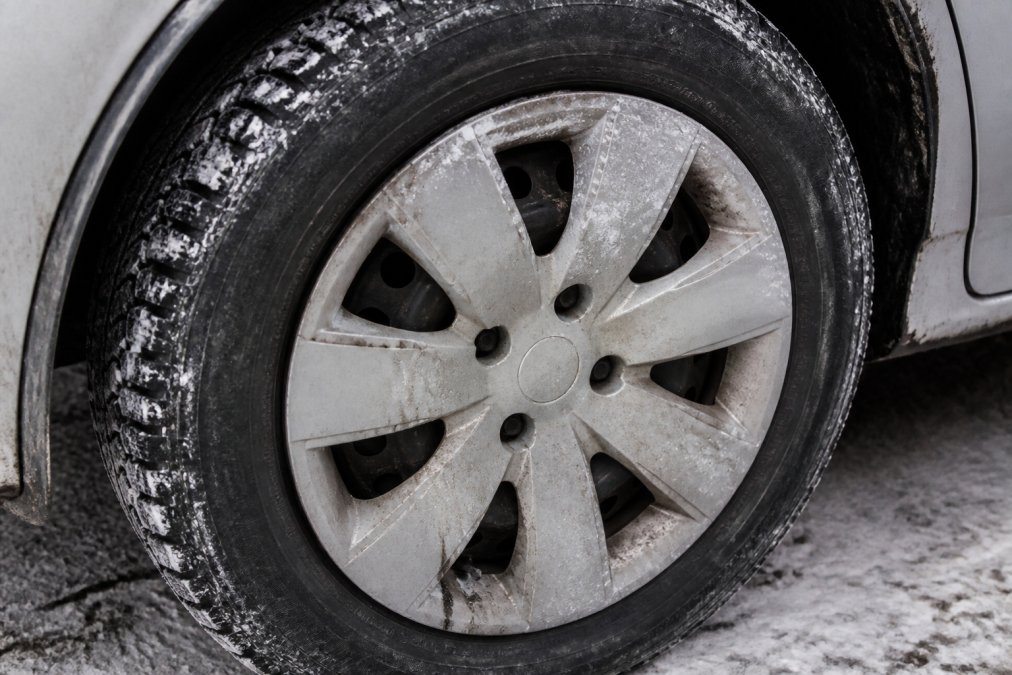
Road debris is relentless. Gravel, rocks, salt, and sand hit your wheels constantly. Plastic absorbs this impact and develops micro-cracks. These cracks spread over weeks and months.
Weather accelerates the damage.
Maintenance and Inspection Protocols for Long-Term Use
Removal and Inspection Schedule
Every 3 months (quarterly):
- Remove all four wheel skins and inspect the rim surface for corrosion, paint lifting, or white oxidation
- Clean the rim thoroughly with soap, water, and a soft brush to remove brake dust and debris
- Check all retention clips for cracks or permanent deformation
Every 6 months:
- Perform all quarterly tasks
- Inspect the underside of each skin for moisture, mold, or discoloration
- Assess whether clips are still gripping firmly
Every 12 months:
- Perform all quarterly and semi-annual tasks
- Document rim condition with photos
- Evaluate whether visible cracks, fading, or UV damage warrants replacement
Monthly Visual Inspection (without removal):
- Check retention clips for tightness by gently tugging on the skin
- Look for cracks, stress marks, or discoloration in the plastic
- Inspect for excessive brake dust accumulation
Inspection Checklist for Hidden Rim Damage
- White or gray powdery coating on the rim surface = Early-stage galvanic corrosion. Clean thoroughly and dry completely before reinstalling. If this appears after only 3 months, consider switching to metal wheel covers.
- Paint lifting or peeling at the rim edge = Brake dust particles have compromised the clear coat. If the affected area is small (less than 1 square inch), clean and monitor. If larger, the rim may need professional refinishing after skin removal.
- Visible moisture or condensation under the skin = The seal between skin and rim is trapping water. Increase removal frequency to monthly until the problem stops.
- Discoloration or staining on the underside of the skin = Indicates prolonged moisture exposure. This is normal but signals that your rim is at risk; inspect the rim surface carefully.
- Clips that no longer grip tightly or show permanent deformation = Replace the wheel skin. Loose clips will lead to detachment at highway speed.
- Cracks in the plastic that have expanded since the last inspection = Schedule replacement within the next month. Do not wait for complete failure.
When to Replace Your Wheel Skins
- Visible cracks longer than 1 inch or multiple cracks in different areas
- Retention clips that are broken, cracked, or no longer grip the rim
- Permanent warping or deformation of the skin that prevents proper fit
- Significant fading or discoloration that affects your desired appearance (this is cosmetic, not safety-critical)
- Evidence of rim corrosion or paint damage that suggests the skin is trapping moisture faster than you can remove it
- Partial detachment that has occurred even once, the clips are failing and complete detachment is imminent
If you notice cracks, loose clips, or fading, replacement is imminent. Don't wait for failure at highway speed. A failed wheel skin can create vibration, noise, or dangerous debris on the road. Replacement costs vary, and professional rim refinishing can be significantly more expensive.
Frequently Asked Questions
Do plastic wheel skins stay on securely at highway speeds?
Plastic wheel skins rely on snap-on retention clips and friction to stay attached. When installed correctly with proper fitment, most skins remain secure at highway speeds. However, poor fitment, loose clips, or damage to the clip mechanism increases detachment risk. Regular inspection of clips and periodic reinstallation ensures long-term security for daily drivers.
How do plastic wheel skins hold up against road salt and winter conditions?
Plastic wheel skins are susceptible to UV degradation, fading, and brittleness in harsh winter conditions. Road salt can accelerate corrosion of the underlying rim if moisture becomes trapped between the skin and the wheel. For vehicles in salt-heavy regions, periodic removal and rim inspection prevent paint abrasion and corrosion damage. Material selection (ABS vs. PP plastic) affects durability; ABS offers better impact resistance.
Are plastic wheel skins a good idea for protecting factory rims?
Wheel skins offer limited protection against curb rash and minor impacts but create a trade-off: they shield rims from aesthetic damage while trapping brake dust and moisture against the surface. If protection is the primary goal, skins work best in low-impact driving environments. For daily drivers in heavy traffic or urban settings, regular removal for cleaning is essential to prevent long-term rim damage.
What's the difference between hubcaps and wheel skins in terms of durability?
Hubcaps are smaller, center-mounted covers that protect the lug nut area, while wheel skins cover the entire wheel face. Wheel skins experience greater vibration and thermal expansion stress during driving, making them more prone to detachment and cracking. Both depend on material quality and proper installation for daily driving use.