

Posted by Editorial Team on Oct 13, 2026
15 in Wheel Covers: Fitment, Styles, and Buying Guide
Table of Contents
- Why 15 in Wheel Covers Are the Most Common Size on the Road
- How to Confirm Your Wheel Size Before You Order
- Wheel Cover Fitment Guide: Universal vs. Vehicle-Specific
- 15-Inch Wheel Covers With Steel Clips: How Retention Actually Works
- ABS Plastic vs. Aluminum: Which Material Holds Up Longer
- Black 15-Inch Wheel Covers: Matte, Gloss, and Deep Dish Looks
- Chrome 15-Inch Hubcaps: What to Expect From Shine and Finish
- Installation, Removal, and Troubleshooting Snap-On Fit
- Frequently Asked Questions
Last Updated: October 13, 2026
Why 15 in Wheel Covers Are the Most Common Size on the Road
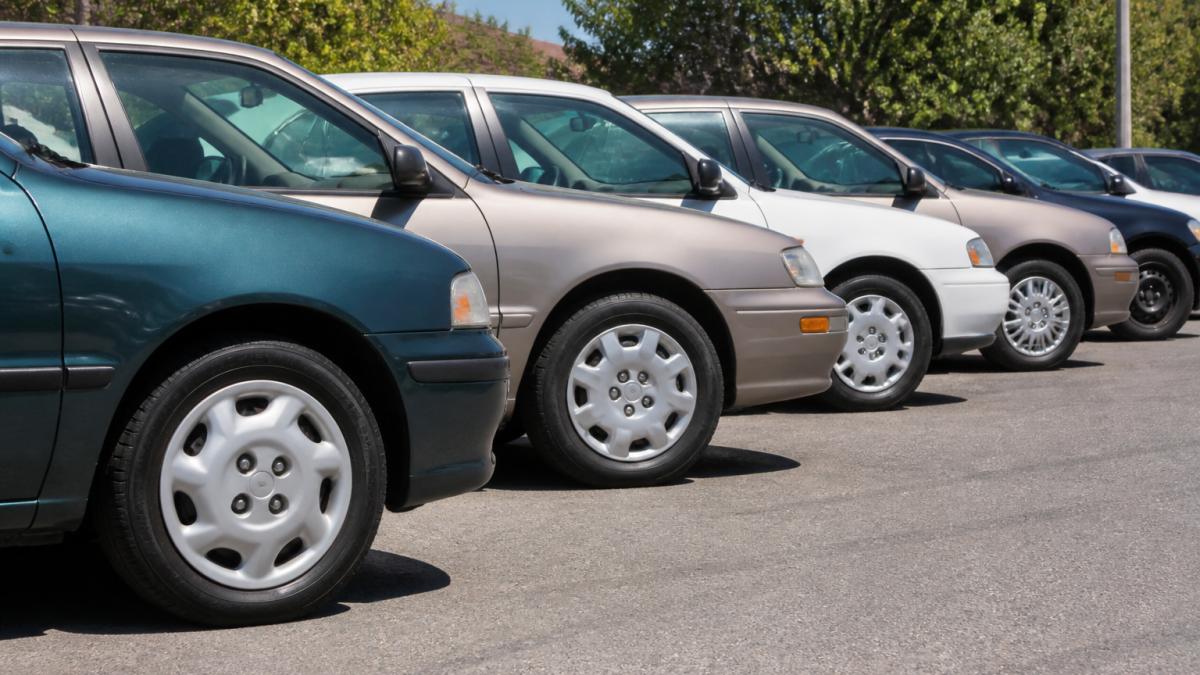
Walk through any parking lot and you will spot them everywhere: compact sedans, older hatchbacks, base-model trucks, all rolling on the same modest wheel size. That is why 15 in wheel covers sit at the center of the replacement market. This size dominated new-car sales for decades, so the vehicles still wearing it on the road today number in the millions.
At WheelCovers.Com, we have spent nearly 50 years matching covers to wheels, and 15-inch fitment remains our most requested size. The reason is simple math. A 15-inch steel wheel was the standard equipment on countless commuter cars through the 1990s and 2000s, and those cars are still daily drivers.
Here is what most buyers get wrong: they assume any 15-inch cover fits any 15-inch wheel. It does not. Bolt pattern, wheel width, and the shape of the rim lip all change whether a cover snaps on tight or rattles loose by the end of the week.
Below, we break down how to confirm your size, choose between universal and vehicle-specific fitment, and pick a material and finish that lasts.
How to Confirm Your Wheel Size Before You Order
Confirm your wheel size by reading the tire sidewall or measuring the steel rim directly. Both methods take under two minutes, and getting this right prevents the single most common return reason we see.
Reading the Tire Sidewall for R15
Look for a code like P195/65R15 molded into the rubber. The number after the R is your wheel diameter in inches, so R15 means a 15-inch wheel. That letter stands for radial construction, not "rim," which trips up a lot of first-time buyers. A tire marked R15 fits only a 15-inch wheel, and no other size will seat properly on it.
Measuring the Steel Wheel Rim Yourself
If the tire is off the wheel, or the sidewall code is worn away, measure the rim instead. Run a tape measure straight across the wheel from one inner bead seat to the other, the flat ledges where the tire's beads sit. That distance, in inches, is your wheel diameter. Measuring across the outer lip gives you a number roughly an inch too large, which is the mistake that sends people back to the returns desk.
Wheel Cover Fitment Guide: Universal vs. Vehicle-Specific
The wheel cover fitment question comes down to one choice: universal or vehicle-specific. Universal covers adjust to a range of steel wheels using bendable tabs. Vehicle-specific covers are built to match one make, model, and year, so the retention points line up exactly.
Universal covers win on flexibility. One set can fit several cars, which helps if you flip vehicles or own a small fleet. The trade-off is a looser grip and a plainer look.
Vehicle-specific covers cost more but fit like the factory part. They match the original spoke pattern, offset, and clip placement, which matters on trucks and SUVs where a loose cover is obvious. For most drivers keeping one car for years, specific fitment is the better buy.
| Fitment Type | Best For | Grip | Look |
|---|---|---|---|
| Universal | Multiple vehicles, tight budgets | Adjustable, looser | Generic |
| Vehicle-specific | One make and model, long ownership | Exact, tight | Matches OEM |
How to Verify Fitment by Make, Model, and Year
Most buyers stop at diameter and regret it. A 15-inch cover still has to match the wheel's bolt pattern, width, and rim-lip profile, and those vary by trim level within the same model year. A base sedan and its sport trim can share a 15-inch diameter yet take different covers.
Work through these four checks before you order:
- Confirm the diameter. Read the tire sidewall for the R15 code, or measure bead seat to bead seat on a bare rim.
- Identify the wheel type. Look at the back of the wheel. A steel wheel has a smooth, painted face and a defined outer lip where clips can bite. An alloy wheel has cast or machined spokes and no lip for a snap-on cover, so a cover will not seat no matter the diameter.
- Note the bolt pattern and width. A 5-lug and a 4-lug 15-inch wheel can share a diameter but differ in cover retention geometry. Width matters too: a wider rim pushes the cover's outer edge outward, which can leave clips short of the lip.
- Match year and trim. Vehicle-specific covers are keyed to a generation, not just a nameplate. A cover built for one model year may not fit the same model two years later if the wheel design changed.
When Universal Actually Works
Universal covers are not a compromise for every driver. They make sense when you own several vehicles on the same 15-inch steel wheel, when you need a quick cosmetic fix on a work truck, or when the exact OEM-style cover is no longer produced. The bendable tabs let you tune tension, but they also mean you should recheck seating after the first few drives as the tabs settle.
If you drive one vehicle and plan to keep it, vehicle-specific fitment pays off in a tighter grip and a factory-correct look. If you rotate through vehicles, universal flexibility is worth the looser hold.
15-Inch Wheel Covers With Steel Clips: How Retention Actually Works
Retention is where cheap covers fail. A 15-inch wheel cover with steel clips holds on through a steel retention ring or individual spring clips that grip the rim's outer lip. The ring presses outward against the wheel, while clips bite at several points for even tension.
Snap-on attachment relies on that tension. When it is right, the cover seats with a firm push and stays put over bumps and potholes. When clips weaken or bend, the cover works loose and eventually departs at highway speed.
A common mistake is forcing a cover that does not want to seat. If you are pounding it with a mallet, the clips are misaligned or the size is wrong. Stop and check before you bend the ring out of shape.
ABS Plastic vs. Aluminum: Which Material Holds Up Longer
Material decides how long a cover survives, and the two main options behave very differently. Comparing them side by side is more useful than reading isolated product listings, because the trade-offs only make sense together.
| Factor | ABS Plastic | Aluminum (Including Spun) |
|---|---|---|
| Weight | Light, easy to handle and install | Heavier, more rotational mass |
| Impact behavior | Flexes on a curb strike and springs back | Resists minor dents, but a hard hit can bend it permanently |
| Finish durability | Painted or molded color; can fade or chalk over many summers | Holds a sharper shine; plating or polish can chip and expose base metal |
| Corrosion | Shrugs off road salt and winter treatment | Prone to corrosion once the finish is breached |
| Typical use | Daily drivers, winter climates, budget to mid-range builds | Garaged or show vehicles, fair-weather drivers |
| Appearance | Clean and modern; matte and gloss options | Bright, reflective, factory-sport look |
ABS plastic is molded, lightweight, and impact-resistant. It flexes on a curb strike and springs back, and it handles road salt better than metal. Most budget and mid-range covers use it. The weakness is heat over many summers, which can make older plastic brittle and prone to cracking at the clip points.
Aluminum, including spun aluminum, is stiffer and holds a sharper shine. It resists dents from minor knocks and keeps its shape. The catch is weight and cost, plus a tendency to corrode if the finish chips and you ignore it. On a vehicle that sees winter road treatment, that corrosion risk is the deciding factor.
Matching Material to How You Drive
- Year-round daily driver in a salt-belt state: ABS is the practical pick. It tolerates freeze-thaw cycles and road treatment without the corrosion worry that follows chipped aluminum.
- Garaged weekend car or fair-weather cruiser: Aluminum earns its price with a finish that stays bright and a shape that holds.
- Work truck or fleet vehicle: ABS again, because replacement cost is lower and a cracked cover is a quick swap rather than a repair.
Long-Term Care by Material
Plastic covers need little beyond a wash with mild soap and a soft brush. Skip abrasive pads, which dull the finish, and avoid pressure-washing directly at the clip ring, where force can bend tabs. Aluminum covers benefit from a coat of wax or a spray sealant to slow water spotting, and any chip in the finish should be touched up promptly so moisture does not reach the base metal.
Black 15-Inch Wheel Covers: Matte, Gloss, and Deep Dish Looks
Black 15-inch wheel covers have become the default upgrade for drivers who want a clean, modern look without chrome. The finish options change the whole character of the wheel.
- Matte black hides dust and light scratches, and it suits trucks and SUVs.
- Gloss black reflects light and reads as a factory sport trim.
- Deep dish styles push the face inward for a wider, more aggressive profile.
Matte finishes are the most forgiving in daily use. Gloss shows every swirl once you wipe it down. If you park on the street, matte black is the lower-maintenance choice, and it pairs well with a silver center for contrast.
Chrome 15-Inch Hubcaps: What to Expect From Shine and Finish
Chrome 15-inch hubcaps deliver the brightest look, and they demand the most care. A true chrome finish is a plated layer over plastic or metal, and that layer is what produces the mirror shine.
Expect two realities. First, chrome shows water spots and road film fast, so it needs regular washing. Second, a chipped or scratched chrome surface can let moisture reach the base material underneath. The cover still fits and functions, but the shine dulls over time.
If you want the chrome look without the upkeep, a silver-painted or machined finish gets you most of the way there with less polishing.
Installation, Removal, and Troubleshooting Snap-On Fit
Installation is a push, not a project. Line up the valve stem cutout with the tire valve, set the cover against the rim, and press around the edge until each clip seats. You should hear or feel a firm snap at several points.
To remove a cover, work a flat pry tool or the flat end of a lug wrench behind the edge and lever gently, moving around the rim. Never yank one side, or you will bend the retention ring.
Troubleshooting comes down to three checks:
- Cover spins freely: clips are too loose or the ring is bent. Reseat or replace the ring.
- Cover will not seat: wrong diameter or a misaligned valve cutout. Confirm the R15 marking.
- Cover rattles: one clip has lost tension. A small piece of weatherstrip tape behind that clip quiets it.
A missing or damaged cover is a small problem that looks like a big one every time you walk up to your car. WheelCovers.Com keeps more than 1 million hubcaps, wheel covers, wheel skins, and trim rings in stock, with nationwide shipping and an easy online ordering process that saves you a trip through salvage yards. Our family-owned team has matched covers to wheels since 1979, so we can help you find the right fit for your vehicle the first time. Get started with WheelCovers.Com and put a finished set back on your wheels.
Frequently Asked Questions
How do I know if my car needs 15-inch wheel covers?
Check the tire sidewall for a number ending in R15, such as 195/65R15. That last figure is your wheel diameter. You can also measure the steel wheel rim across its face, from one outer edge to the opposite edge, without including the tire. If that measurement lands at 15 inches, you need 15 in wheel covers. Matching the diameter is the single most important step before ordering.
Do 15-inch wheel covers fit every 15-inch wheel?
No. Diameter is only the first check. Retention style matters just as much: some 15-inch wheel covers with steel clips need a specific rim profile, while others use a universal tension ring. Steel wheels, alloy wheels, and wheels with raised center caps all accept different covers. Confirm your wheel type and the cover's attachment method before you buy.
What is the difference between a hubcap and a wheel cover?
The terms get used interchangeably, but a hubcap traditionally covers only the center hub, while a wheel cover spans the full wheel face. Most 15-inch products sold today are full wheel covers that snap over the entire rim. Chrome 15-inch hubcaps and black 15-inch wheel covers are both usually full-face covers, regardless of which word the listing uses.
Can I use wheel covers on steel wheels?
Yes, steel wheels are the most common base for wheel covers. Their flat face and rolled edge give retention clips and steel rings something to grip. Alloy wheels, by contrast, often have shaped spokes that leave nothing for a clip to hold. If you drive a car or truck with factory steel wheels, a snap-on 15-inch cover is the standard replacement path.