
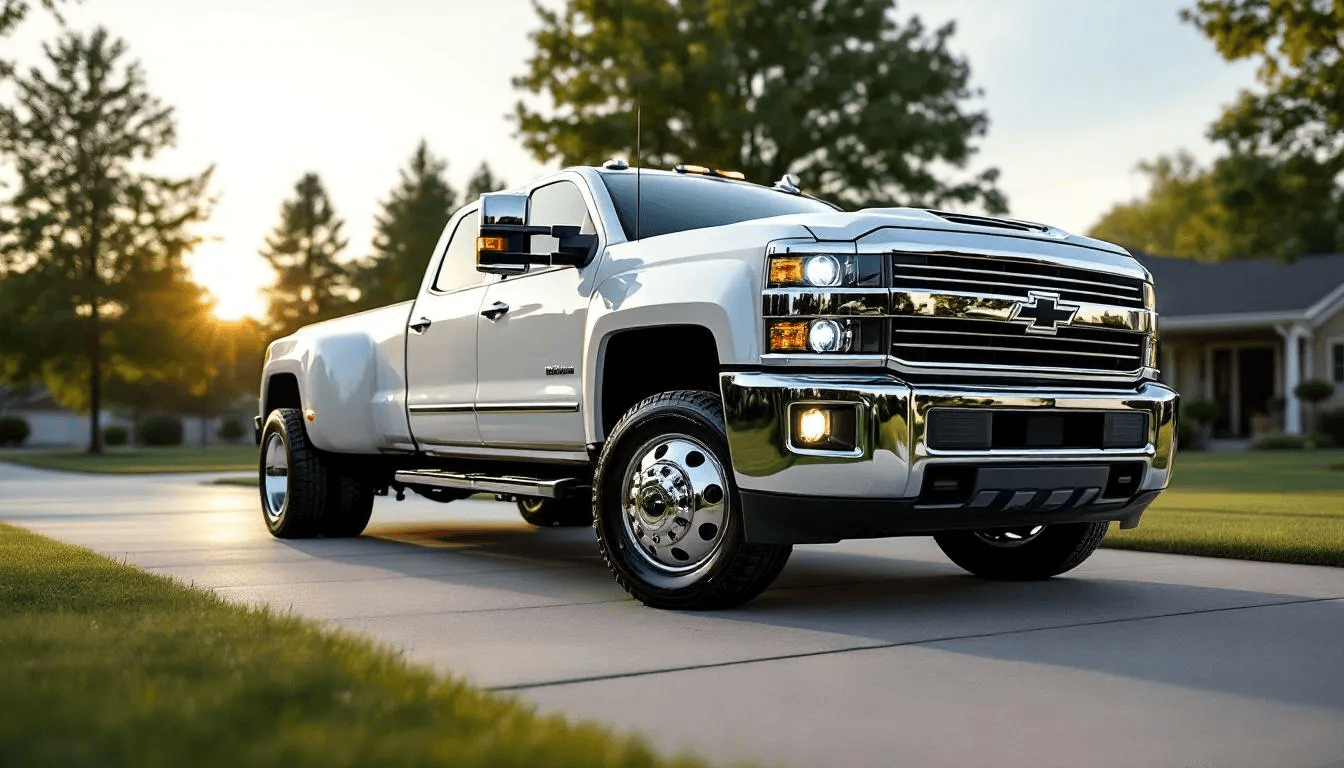
Wheel Simulators: How To Choose The Right Look For Your Chevrolet, Dodge, Or Ford
If you want your truck or RV to look sharp without spending big on new wheels, wheel simulators deserve your attention. You keep your existing steel wheels, and we focus on getting you a cleaner, more premium look from the outside.
Here, we will walk through how wheel simulators work in real life, when stainless steel is worth paying for, and what actually matters for Chevrolet, Dodge, and Ford setups. By the end, you will know what to measure, what to double-check before ordering, and how to choose a set you will not regret on your daily drive.
What Exactly Are Wheel Simulators?
Before we talk brands and materials, we should agree on what a simulator actually is. Once that picture is clear, the rest of the decisions fall into place.
How Wheel Simulators Turn Plain Steel Into A Premium Look
A wheel simulator is a shaped cover that attaches to your existing steel wheel. From the side, you see the styled cover, not the workhorse wheel behind it. The tire, the rim, and the load rating all stay factory.
Good simulators copy the depth and spoke lines of real alloy or polished wheels. That is why a sharp dually with simulators can fool you from a few parking spaces away.
Wheel Simulators Vs Hubcaps Vs Full Wheel Replacements
Hubcaps usually snap onto the center area and leave a ring of painted steel showing. Simulators cover almost the whole face and often include fake lug details and spoke patterns.
Full wheel replacements swap the wheel itself, which affects cost, weight, and sometimes offset. Simulators leave the working wheel alone and focus only on what you and everyone else see.
Where You Will Usually See Wheel Simulators Out On The Road
Once you know the look, you start spotting simulators everywhere. Dually pickups that tow campers or equipment, many motorhomes, and shuttle buses often run them.
Fleets like them because they get a clean, consistent appearance across vehicles while still using tough, affordable steel wheels underneath. You get the same visual win on your own truck or RV without changing its basic hardware.
What You Really Gain: Practical Benefits And Considerations
Before you spend money, you should know what changes in your day-to-day life. Let’s walk through what you actually gain, and where you might feel a few compromises.
Everyday Wins You Notice Right Away On Your Truck Or RV
The first thing you notice is how the vehicle looks when you step back in the driveway.
You get:
- A cleaner, more intentional look around the wheels
- A visual reset for older paint and trim
- A bit more pride when you walk up with friends or clients watching
That small boost matters when you pull into a campground, a jobsite, or a customer’s parking lot. Your truck feels more “put together” without you touching the mechanical side.
How Wheel Simulators Affect Weight, Ride Quality, And Fuel Use
Most quality simulators add a modest amount of weight. On a heavy truck, that change is usually a drop in the bucket.
The ride almost always stays the same if the set is fitted correctly. What you want to avoid is anything that interferes with balance or traps mud in one area. That is where careful cleaning helps.
Fuel use is basically unchanged in normal driving. If there is any effect, it tends to come from a slight change in airflow, and that is rarely noticeable on real-world trips.
What Can You Expect After Installing Wheel Simulators
There are tradeoffs, and it is better that you expect them.
You might deal with:
- Extra brake dust and road film are hiding behind the covers
- Moisture and salt that sit longer if you never remove and clean them
- Occasional rattles if the clips are not seated firmly or the hardware loosens
None of these are deal breakers if you are willing to clean and check the setup from time to time.
When Wheel Simulators Are Not The Right Solution For You
Sometimes, a full wheel upgrade is the smarter play.
If you push your truck hard off-road, run oversized brakes, or chase every ounce of performance, you may prefer dedicated alloy or forged wheels. They give you more control over width, offset, and cooling around the brakes.
If you already plan to change tire sizes and suspension in a big way, it can also make sense to invest directly in new wheels. That way, everything is tuned as one package, and you are not paying twice.
Stainless Steel Wheel Simulators: Why Material Choice Changes Everything
Once you understand what simulators do, the next real decision is material. This is where stainless steel wheel simulators step away from cheaper options and start to justify their price.
What Sets Stainless Steel Wheel Simulators Apart From Plastic And Chrome-Plated Options
Stainless steel is a metal all the way through, not a plastic core with a pretty outer skin.
You get:
- Real resistance to rust on the face and edges
- A solid, “metal on metal” feel during install
- Less risk of cracking in cold weather
Plastic and chrome-plated ABS can still look nice at first. The problem is that chips, rock hits, and UV exposure attack the thin outer finish. With stainless, the base material is the finish.
How Stainless Steel Holds Its Shine Over Years Of Real-World Driving
With stainless, you are caring for the surface, not a fragile coating.
Regular washing and a light polish now and then are usually enough. Road film, bugs, and light salt clean off without eating into the material.
Instead of peeling or flaking, stainless steel tends to pick up very fine swirl marks over time, which you can often polish back. That steady, predictable aging is what many owners like.
When Paying Extra For Stainless Steel Actually Saves You Money
If you plan to keep the truck or RV for years, stainless steel wheel simulators usually win on cost over time.
You are less likely to replace them due to ugly peeling or broken plastic tabs. One solid set that still looks good after five winters often costs less than two or three cheaper sets that you swap out.
Situations Where Stainless Steel Wheel Simulators Are Almost Non-Negotiable
There are use cases where stainless is not a luxury. It is the sensible choice.
Think about:
- Coastal areas with salty air
- Regions that use heavy road salt in winter
- Work trucks that live on gravel and construction sites
- Full-time RV setups that rack up highway miles
In those situations, stainless steel wheel simulators give you one less thing to worry about. You get a finish that keeps up with how you actually use the vehicle.
Brand Fit Matters: Chevrolet, Dodge, And Ford Wheel Simulators
Now that you know why material matters, we can zoom in on your actual truck. Fitment is where many people slip up, especially when shopping online. Let’s walk through how we keep Chevrolet, Dodge, and Ford setups simple and stress-free.
Chevrolet Wheel Simulators: Getting The Bowtie Look Just Right
Chevy trucks have a very recognizable stance. You want simulators that sit naturally in that look, not fight it.
For Chevrolet wheel simulators, focus on:
- Model family first, such as 2500, 3500, or older 3500HD
- Dually versus single rear wheel, because hardware changes a lot
- Wheel size, often 16, 17, or 19.5 inches on heavy trucks
Chevy center caps often carry the bowtie logo or a clean, round shape. A busy or overly edgy design can feel out of place. If you like subtle, aim for simple spoke patterns that let the truck’s body lines stay in charge.
Dodge Wheel Simulators: What Ram Owners Need To Double-Check First
Ram trucks lean into a tougher, more aggressive personality. The wheel area adds a lot to that.
With Dodge wheel simulators for Ram models, you want to verify:
- Load rating and temperature tolerance for heavy towing
- Whether the design leaves lugs exposed or covered
- How the style pairs with your grille and fender shape
If your Ram already has bold fender flares or a lifted stance, a deeper, more muscular simulator look usually fits better than a thin, flat design.
Ford Wheel Simulators: Matching Clean Lines On Work Trucks And Family Haulers
Ford often keeps its styling cleaner. That gives you more freedom, but you still want a coordinated look.
For Ford wheel simulators:
- Separate half-ton (F-150) and Super Duty sizing in your mind
- Pay close attention to 8-lug patterns on heavier models
- Choose designs that feel straightforward and purposeful
On work trucks, a simple polished face can match ladder racks and toolboxes nicely. On family rigs, a slightly softer spoke design keeps things from looking too “fleet.”
Why Vehicle-Specific Listings Beat “Universal Fit” Every Time
You will see a lot of “fits most” and “universal” language online. That is where problems start.
Vehicle-specific listings call out:
- Exact wheel diameter and width
- Lug count and bolt pattern
- Dually or single rear wheel compatibility
When a product title spells out “Chevrolet 3500 17 inch dual rear wheel” or “Ford F-450 19.5 inch,” you reduce the risk of returns, rubbing, or loose hardware.
Real Life Example: Similar Trucks, Very Different Choices
Imagine you drive a Chevrolet 3500 dually on stock steel wheels, and your friend runs a Ford F-250 single rear wheel. A neighbor with a Freightliner or GMC 3500 joins the conversation, and you all land on the same product page.
The kit looks great, and it feels easy to click add to cart and buy three sets. In reality, each truck needs different wheel simulators, so you must find model-specific fitment instead of trusting “universal” claims.
Planning Your Purchase: Size, Specs, And Design Choices That Actually Matter
This is the part where we slow down and get practical. If you get the planning right here, ordering and installing your wheel simulators becomes straightforward.
Measure What You Have, Not What You Think You Have
Start with real numbers, not guesses.
Check:
- Wheel diameter in inches
- Bolt pattern and lug count
- Whether you have single or dual rear wheels
Use a tape measure and a clear look at the wheel face. If in doubt, read the data on the tire sidewall and cross-check with your owner’s manual.
Clearance And Compatibility: Keeping Brakes, Valves, And Sensors Happy
Next, think about what lives behind the wheel.
You want:
- Enough space around brake calipers
- Easy access to valve stems for air checks
- No interference with TPMS sensors or extenders
If you run valve extensions on a dually, make sure the simulator design leaves them reachable.
Picking A Style That Matches How You Really Use The Vehicle
Style is not just about looks. It affects how the vehicle feels to you.
Ask yourself:
- Is this a work truck, family hauler, or travel rig
- Do you like a bright, polished look or something calmer
- Do deep-dish or flatter designs fit the body shape better
Picture the truck in your driveway, not just in a product photo.
Reading Quality Signals Hidden In The Product Description
Product pages quietly tell you a lot if you read them closely.
Look for details like material type, stainless steel thickness, type of clips, and included hardware. Clear fitment notes for specific Chevrolet, Dodge, or Ford models are a good sign that the brand knows your platform.
Shopping Smart Online Without Getting Burned
Before you commit, scan reviews from owners with the same truck, not just “looks great” comments.
Check:
- Real customer photos
- Warranty length
- Return policy and restocking rules
When all three look solid, you can click buy with confidence.
Wrap-Up: Helping You Feel Confident About Your Decision
By now, you understand what wheel simulators do, where stainless steel earns its place, and how Chevrolet, Dodge, and Ford fitment shapes your choices. The next step is simple. Measure what you have, match it to the right size and pattern, and choose a style that fits how you actually use your truck or RV.
Look for clear brand-specific listing details, solid hardware, and honest reviews from owners with similar setups. If those boxes are checked, you can move forward with confidence, knowing your decision is based on real information, not guesswork or marketing claims. That is how you win.