
Posted by CONTRIBUTOR SUBMISSION on Nov 05, 2025
What Is the Purpose of Hubcaps?
What Is the Purpose of Hubcaps?
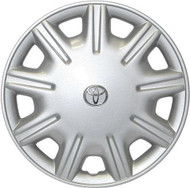
Hubcaps, also known as wheel covers, are essential accessories for many vehicles, blending functionality with style. Here are the key points on their purpose:
- **Protection**: Hubcaps shield the wheel hub, lug nuts, and bolts from dirt, debris, moisture, rust, and corrosion, helping to maintain wheel integrity and ease maintenance.
- **Aesthetics**: They enhance the vehicle's appearance by covering plain or damaged steel wheels, offering a customizable look that mimics more expensive alloy rims.
- **Additional Benefits**: In some cases, they improve aerodynamics to boost fuel efficiency, especially on electric vehicles, and can provide an audible warning if lug nuts loosen.
### Main Functions Explained
Hubcaps snap or clip onto the center of a wheel, covering the hub where the axle meets the wheel. Their primary role is protective: by acting as a barrier, they prevent road grime and environmental elements from damaging critical components like lug nuts, which could otherwise rust and complicate tire changes. This protection extends the lifespan of wheels and brakes, reducing the need for frequent repairs.
From an aesthetic standpoint, hubcaps transform basic steel rims into something more visually appealing. They're often designed with chrome finishes, logos, or patterns, allowing drivers to personalize their cars affordably without replacing entire rims. For budget-conscious owners, this is a simple upgrade that can increase resale value by making the vehicle look well-maintained.
### Why You Might Need Them
While not strictly necessary for driving, hubcaps are recommended for most cars. They can catch loose nuts to prevent wheel detachment and may reduce drag for better mileage. On electric vehicles, specially designed hubcaps can even enhance range by optimizing airflow. If yours are missing or damaged, replacements are inexpensive and easy to install.
### Common Misconceptions
Many confuse hubcaps with rims, but rims provide structural support for tires, while hubcaps are purely covers. They're not just decorative; their protective role is backed by automotive experts, though they're more crucial in harsh climates where salt and mud accelerate corrosion.
---
Hubcaps have long been a staple in automotive design, serving purposes that go beyond mere ornamentation. Understanding their role requires delving into their history, types, benefits, and maintenance, all of which highlight why they remain relevant in modern vehicles. This comprehensive overview draws from reliable sources to explain the multifaceted purpose of hubcaps, ensuring you have all the details to appreciate their value.
The origins of hubcaps date back centuries, evolving from simple protective caps to sophisticated wheel accessories. As early as the 1500s, during the era of horse-drawn carriages, hubcaps—then made of wood or metal—were used as decorative covers to shield wheel hubs from dust and grease. By the late 17th century, innovations like the Newton Reaction Carriage in 1680 featured early versions of these caps. Fast-forward to the automotive age: pre-1915 hubcaps were often brass with nickel plating, threaded onto wood, steel, or wire wheels. The 1920s saw a shift to aluminum, and by the 1930s, snap-on center caps became standard, using spring-loaded clips for secure attachment. Full wheel covers gained popularity in the mid-1930s, with brands leading the way. The 1940s expanded their use to protect lug nuts on steel wheels, while the 1950s and 1960s embraced custom designs in car culture, such as "Sombrero" style or aftermarket options. By the 1970s, plastic replaced metal for cost and weight savings, becoming mainstream in the 1980s with various models. Today, hubcaps are mostly plastic trims on budget vehicles, while luxury cars favor alloy wheels with small center caps.
At their core, hubcaps serve dual purposes: protection and enhancement. Functionally, they act as a barrier against environmental hazards. Dirt, debris, moisture, salt, and road grime can accumulate on the wheel hub—the central point where the axle connects—leading to corrosion that makes lug nuts seize up and complicates tasks like flat tire repairs. By covering this area, hubcaps prevent such buildup, extending the lifespan of wheels and brake assemblies. They also protect against heat from braking, which can exacerbate damage. In harsher climates, where road salt is common, this shielding is particularly vital, as it reduces rust on bolts and nuts, making seasonal tire swaps easier. Some designs even add a safety feature: if a lug nut loosens, it may rattle inside the hubcap, providing an audible alert to prevent wheel loss. Aerodynamically, hubcaps can reduce drag, improving fuel efficiency and, in electric vehicles, extending range by optimizing airflow—though this is more pronounced in specialized models.
Aesthetically, hubcaps elevate a vehicle's look without the expense of upgrading to alloy rims. Plain steel wheels, often black-painted and prone to fading, can make a car appear dated or neglected. Hubcaps conceal these, offering designs that mimic chrome spokes or intricate patterns, allowing for personalization. This not only boosts curb appeal but can increase resale value by signaling proper maintenance. In custom car scenes, spinners or Art Deco-inspired covers add flair, reflecting the owner's style. Moreover, they provide an affordable way to refresh a vehicle's appearance seasonally, swapping out grimy ones for clean sets.
Hubcaps come in various types, each tailored to specific needs:
| Type | Description | Material | Primary Purpose |
|------|-------------|----------|-----------------|
| Standard Hubcaps | Basic snap-on covers for the wheel center. | Plastic or steel | Protect from dirt and debris; basic aesthetics. |
| Lugnut Covers | Fit specifically over lug nuts. | Plastic or steel | Shield nuts from corrosion; easy access for maintenance. |
| Wheel Covers | Larger disks covering the entire wheel face. | Chrome, stainless steel, or plastic | Full protection and enhanced visual appeal, mimicking alloys. |
| Spinners | Feature a rotating centerpiece. | Aluminum or chrome | Primarily decorative, adding motion-based style. |
| Center Caps | Small covers for alloy wheels' central hole. | Plastic or metal | Conceal hub access; often branded with logos. |
| Non-Rotating Hubcaps | Weighted to stay oriented (e.g., for logos). | Various | Display readable messages/ads while vehicle moves; used on taxis/buses. |
| Wheel Shrouds/Turbofans | Motorsport variants for airflow. | Aluminum or carbon fiber | Manage brake cooling and downforce; functional in racing. |
This table illustrates the diversity, from everyday protection to specialized applications. For instance, in Formula One, turbofans were used until banned in 2010 for safety reasons.
Maintenance is key to maximizing hubcaps' benefits. Regular cleaning prevents damage: use soapy water and a sponge, or a vinegar-water mix for stains. Remove them carefully with a flathead screwdriver if needed, rinse, dry, and reattach securely. Check bolts or clips periodically, as vibrations can loosen them—zip ties or plastic washers can reinforce attachment. If lost due to potholes or curbs, replacements are cheap, often under $20 per set.
While hubcaps aren't mandatory for safe driving, experts advise against going without them long-term. Missing ones expose hubs to faster degradation, potentially leading to costly repairs. On general cars, they're mostly cosmetic, but for EVs, they might be range-critical. Wheel bearings are sealed, so hubcaps don't directly protect them, but overall cleanliness aids longevity.
In summary, hubcaps' purpose encompasses protection, aesthetics, and minor performance enhancements, making them a worthwhile investment for vehicle owners. Their evolution reflects automotive progress, from carriage-era basics to modern efficiency boosters. Whether you're maintaining a daily driver or customizing a classic, understanding hubcaps ensures better care and enjoyment of your ride. (Word count: 1,028)